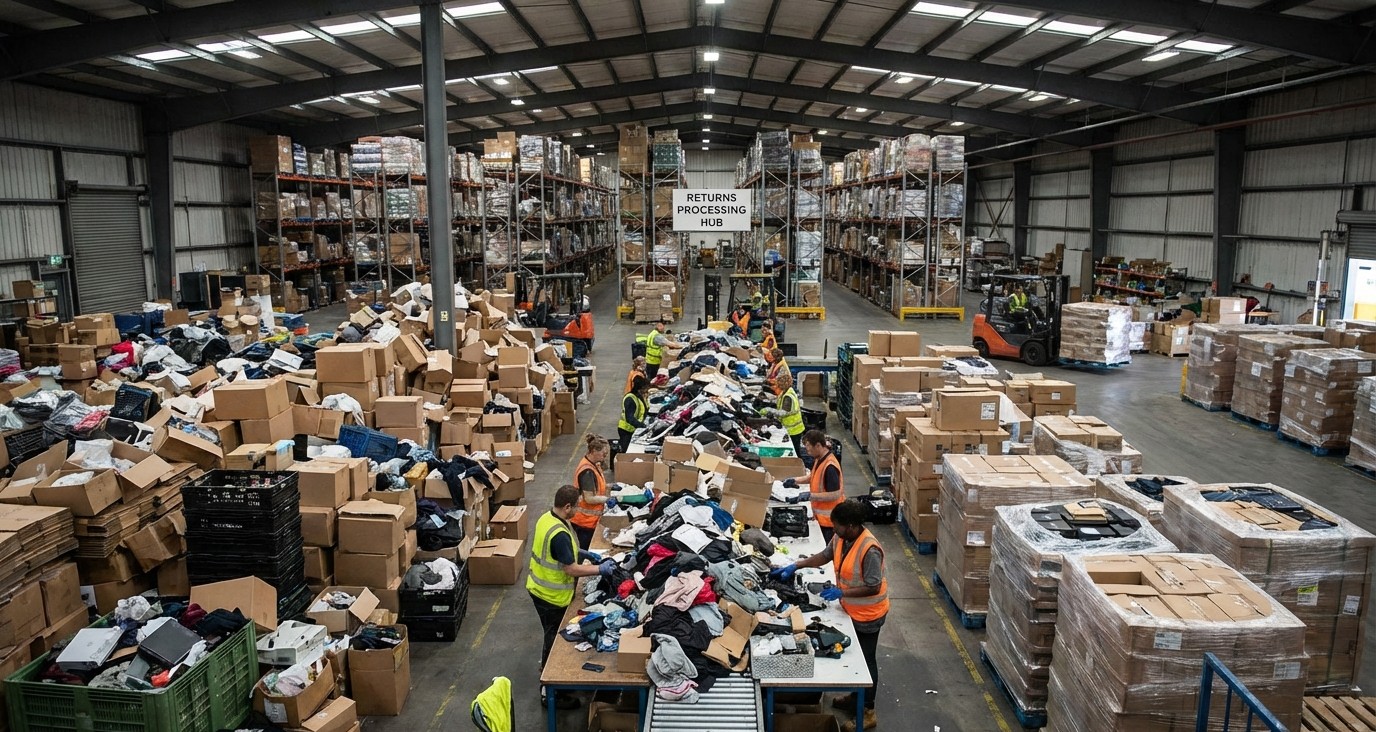
You buy a kurta set on Myntra. Wear it to that wedding. Tags still on, carefully tucked away. Take your photos for Instagram. Return it three days later. Free rental, right? Except Myntra can’t resell it now. So it gets tossed. Or shipped to some liquidation warehouse. Or worse. This is return fraud. And in India, it’s not just destroying retailers’ profits. It’s creating mountains of waste.
The Numbers in India Are Wild
India’s e-commerce return rate sits between 25-40% during festive seasons. That’s one in three orders coming back.
In 2024, return fraud cost Indian e-commerce platforms billions. Myntra alone lost ₹50 crore nationwide to refund scams. Meesho got hit for ₹5.5 crore by just three fraudsters in Gujarat.
All that merchandise? Either destroyed or dumped.
What Counts as Return Fraud Here?
Wardrobing is massive in India. Many customers buy clothes in multiple sizes just to try them on and return the rest. Not “maybe” return. Plan to return.
Cash on Delivery (COD) fraud. People order stuff, don’t have cash when it arrives, and refuse delivery. The product goes back. Cash on Delivery orders consistently show higher return rates than prepaid purchases. Research indicates that around 40% of COD orders are returned, compared to an overall average of 20% across online retail. In simple terms, nearly two out of five COD shipments never make it past the customer’s doorstep.
Then there’s refund fraud. The Meesho case? Three guys created fake buyer accounts and placed around 2,500 orders using invalid addresses, causing all shipments to be returned. They then filmed opened parcels and falsely claimed the items were damaged to secure reimbursements. The scheme ran for seven months.
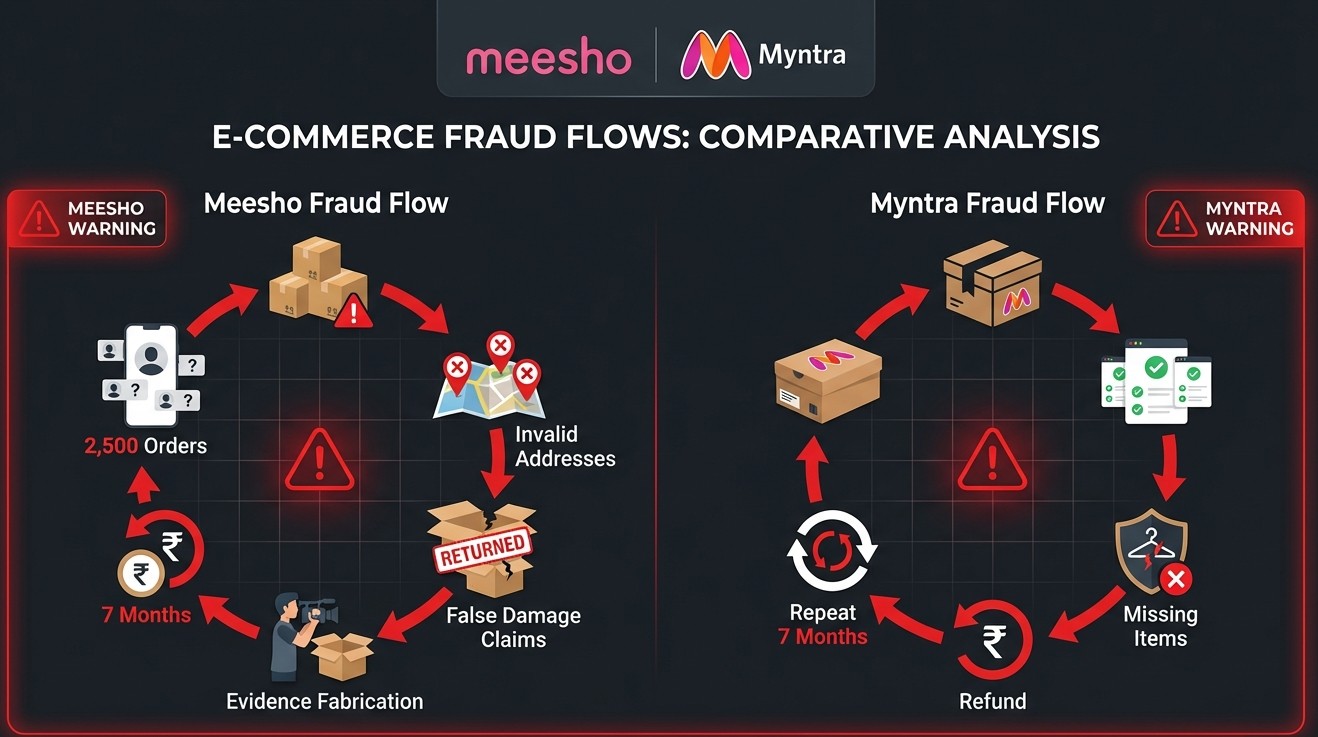
The Myntra gang ordered branded shoes and claimed they received fewer items than ordered. Filed 5,529 fraudulent orders in Bengaluru alone.
Why Indian Retailers Throw Stuff Away
According to a report by the National Retail Federation (NRF), about 9% of all returns are fraudulent. Retailers tracking these cases say almost 70% have seen a rise in customers overstating the number of items they’re returning. Many also report more empty-box scams and cases where genuine products are swapped with counterfeit or decoy items.
In India? It’s worse.
Small D2C brands struggle to track returns. They lack reverse logistics infrastructure. So when a product returns from a tier-2 or tier-3 city, the expense of shipping it to a warehouse, checking its quality, repackaging it and then relisting it becomes more than the item is worth.
Cheaper to dump it.
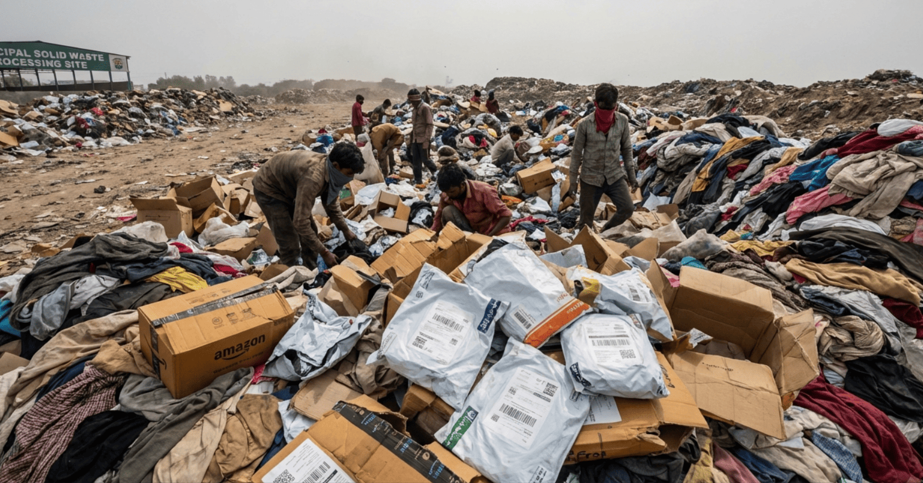
Damaged products or products claimed to be damaged can’t be resold. They go straight to landfills.
India’s reverse logistics market is growing rapidly, driven by the increasing number of e-commerce returns. But growth has not entirely addressed the capacity gap. Infrastructure, sorting systems and refurbishment networks are not yet keeping pace with the demand. As a result, many of those returned products never find their way back into resale or recycling channels. Instead, they depreciate rapidly and far too frequently, and end up as trash.
The Environmental Toll Is Brutal
Every return creates emissions. The delivery guy picks it up. A truck moves it to a sorting centre. Another truck to a warehouse. Maybe another to liquidation.
In India, where logistics networks are less efficient than those in developed countries, there’s a lot of carbon emitted going back and forth like this. Broken goods in the landfill? They pollute soil and water. Waste from packaging returns such as bubble wrap, cardboard, and plastic tape, piles up quickly.
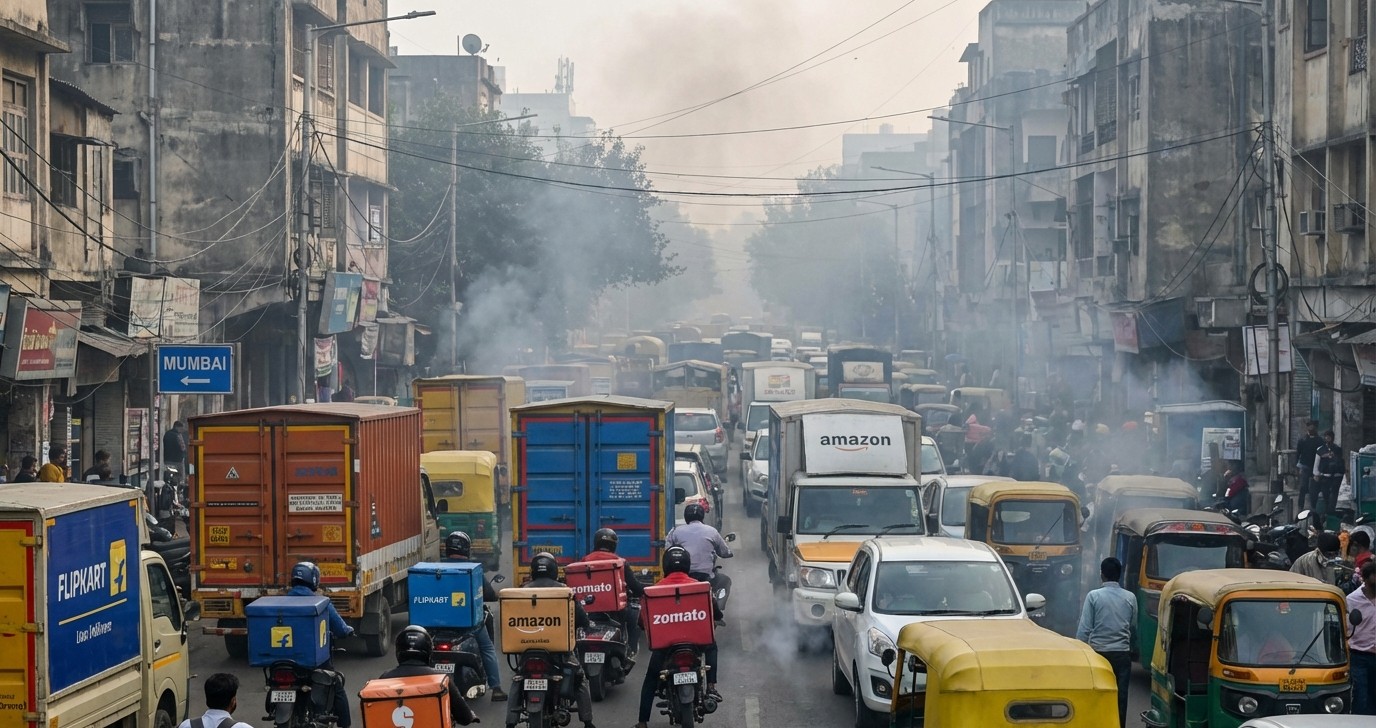
Both fashion return rates and size spikes up drastically during major festive sales like Big Billion Days or Great Indian Festival. That can mean millions of items all move back through the supply chain at once, and a large portion never make it as far as inventory. Instead, a majority of them land in liquidation channels or on the way to disposal.
And nobody’s tracking it. The environmental cost of returns isn’t part of anyone’s reporting.
Why This Keeps Getting Worse in India
Free returns. That’s the core.
Flipkart, Amazon and Myntra all offer 10-30 day no-questions-asked return policies to compete. 92% of Indian shoppers specifically look for easy and free returns before buying.
Social media made it worse here, too. Instagram reels and YouTube hauls normalise buying stuff just to show it off and send it back.
Cash on Delivery is another factor. Nearly half of India’s e-commerce transactions are COD. It’s convenient, but creates massive RTO rates when people change their minds or don’t have cash.

Nearly 26% COD orders come back, compared to less than 2% for prepaid orders. In practical terms, that makes COD returns more than ten times higher than prepaid returns.
And there’s size/fit uncertainty. Standardised sizing doesn’t work. So people buy multiple sizes because they know at least two won’t fit. Free returns enable this behaviour.
Indian Platforms Are Fighting Back
Flipkart launched an AI tool called “Mira” to reduce its return rate by asking shoppers a few questions before purchase to prevent size/fit issues.
Myntra uses “Sabre,” an AI that analyses past return patterns to detect fraud. It can tell the difference between genuine returns and serial returners gaming the system.
They’ve also started:
- Blocking COD for customers with high return rates
- Charging return fees after a certain point
- Restricting refunds for repeat offenders
- Flagging customers who return excessively
But there’s a problem. 55% of Indian consumers avoid buying if return policies are too strict.
So platforms are stuck. Tighten policies, lose customers. Keep them loose, lose money and create waste.
What Actually Happens to Returns in India
Best case? The item gets inspected at a return centre in Mumbai or Bengaluru, repackaged, and re-listed.
But that’s rare.
More often, returns get:
- Sold to liquidators at a steep discount, recovering only a small portion of their original price.
- Donated (if in decent condition and someone bothers)
- Sent to tier-2/3 city markets in bulk
- Destroyed
Indian e-commerce companies don’t publicly share how much they destroy. But based on global averages (25% of returns destroyed), and India’s higher return rates plus weaker
reverse logistics, the destruction rate here is likely higher. Some of it ends up in Panipat’s textile recycling market. But most? Landfills.
The Real Cost
Return fraud costs Indian e-commerce thousands of crores. But that’s just money.
Water. Energy. Carbon. Chemicals. Labor. All wasted because someone wanted it for one night.
And most people are wardrobing or doing COD fraud? They don’t see it as fraud. They see it as smart shopping.
It’s normalised. Expected. Part of the game.
But someone’s paying. And it’s not just Flipkart.

Leave a Reply