Back then, around 1960, fishing boats packed the coastline of the Aral Sea. So vast was the expanse of water that it seemed boundless – a body of water ranked fourth globally by size, surpassing even Sri Lanka in area.
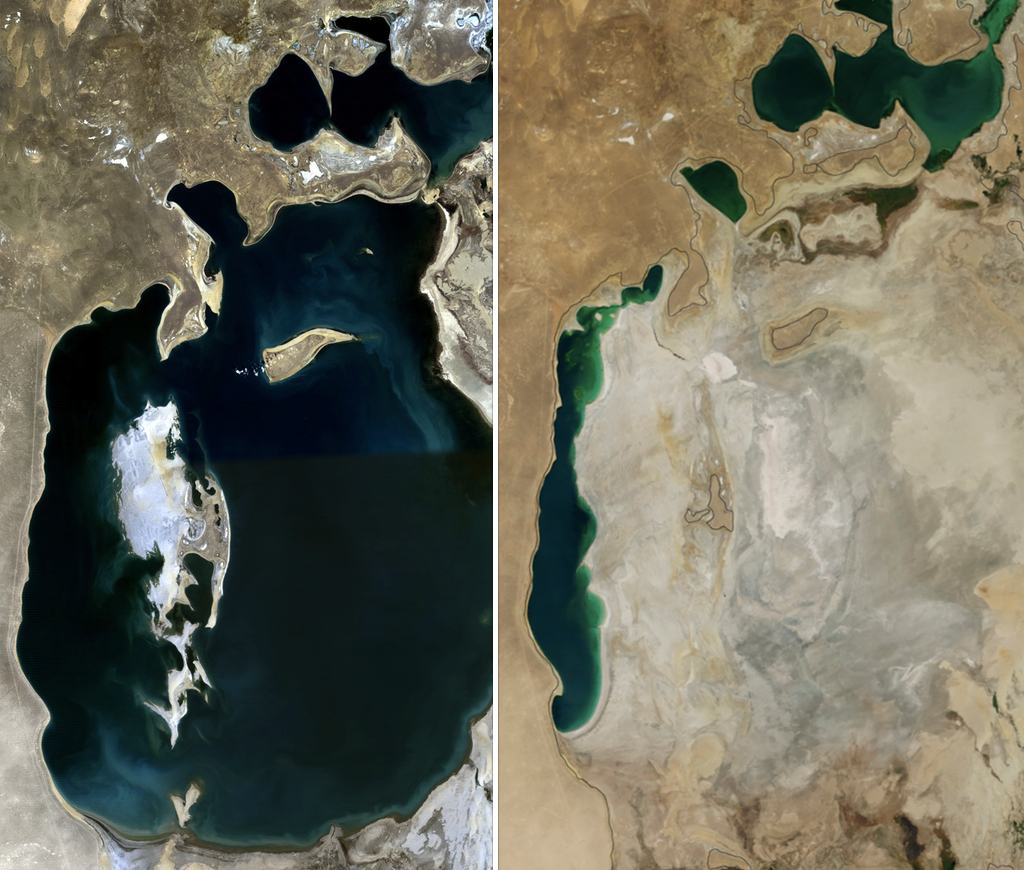
Today, its current state unfolds differently. Those boats are still there. But they’re sitting in dry sand. Rusting. Miles away from any water. The distance from shore stretches long. The Aral Sea has lost about 90% of its water.
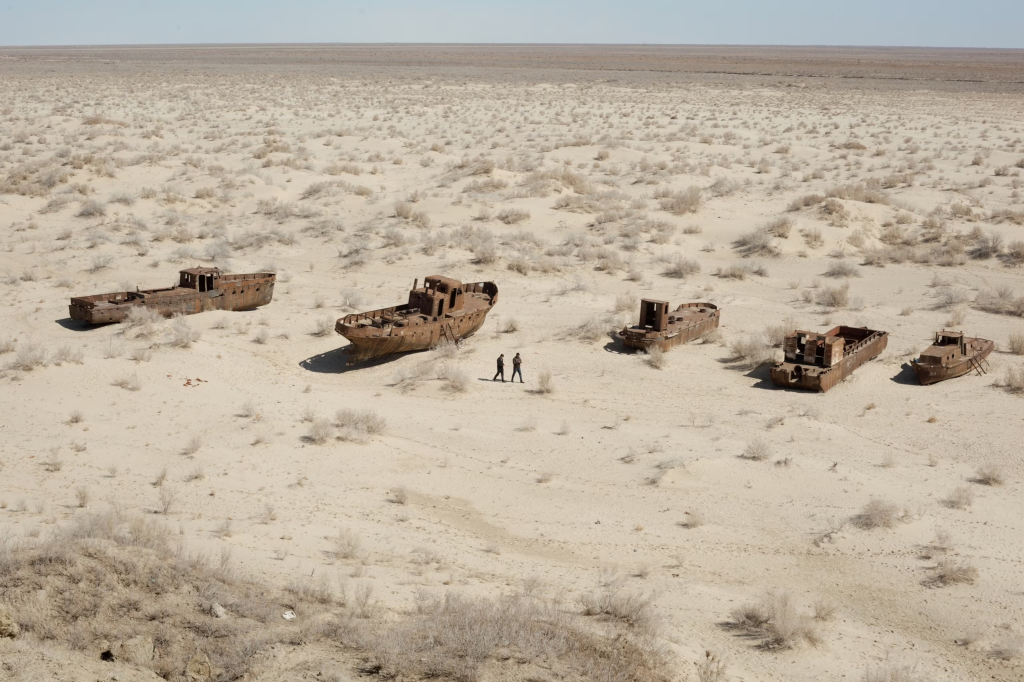
Source: National Geographic
So what happened?
A big part of the answer is cotton.
The Plan That Backfired
During the 60s, Soviet officials dreamed up an ambitious plan. They wanted to reshape Central Asia into a major hub for cotton production.
There was just one problem—this region is mostly desert.
That solution appeared logical back then. Water from both rivers flowing into the Aral Sea was rerouted, ending up on vast cotton farms. The shift made sense under pressure. Farms needed irrigation, so nature gave way without hesitation. Rivers changed course because of human demand. What once filled a sea now soaks the soil far away.
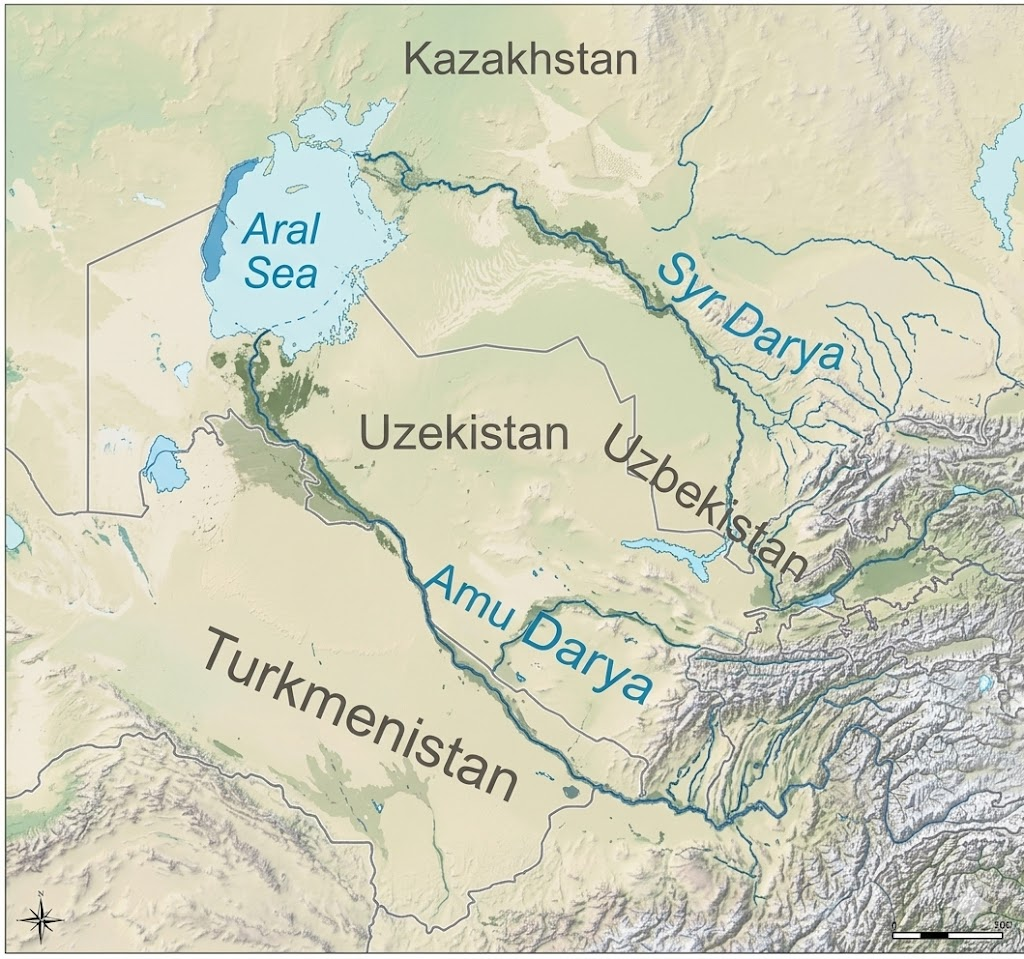
Source- https://www.columbia.edu/
At first glance, the plan held together. By the late 1980s, Uzbekistan became one of the world’s largest cotton exporters. Production skyrocketed. The plan looked like a success. But the cost was already building.
The price had begun rising long before anyone noticed. Each year brought a steady withdrawal of water from the lake. Water level gradually went down – soon accelerating without pause. It was something researchers had predicted long ago. Still, they believed its impact would be small.
They were wrong.
When a Lake Vanishes
The fish could no longer survive in the water as a result of high salt levels due to evaporation. As a result, the fishing industry failed, leading to the loss of livelihoods in nearby towns.
The situation only got worse from there.
As the bottom of the lake dried up, dangerous dust began blowing around. For decades, pesticides and other agricultural chemicals have been dumped into the lake, and as there is no longer water to keep them in place, they have been blown away by the winds.
Source: Wikipedia
The dust storms travelled many kilometres away from their points of origin. The air turned toxic to breathe, resulting in a significant rise in cases of respiratory illnesses, cancer, and birth defects amongst the population living in and around these dust storm areas.
Plus, the irrigation system that existed was faulty; much of the water destined to irrigate crops leaked or evaporated prior to reaching the crops. Farmers used more pesticides and herbicides to attempt to produce maximum yields. The result of all these efforts was continued pollution of the environment.
Your T-Shirt’s Hidden Story
What happened in this area is not just a story for the region, but it also affected the global economy.
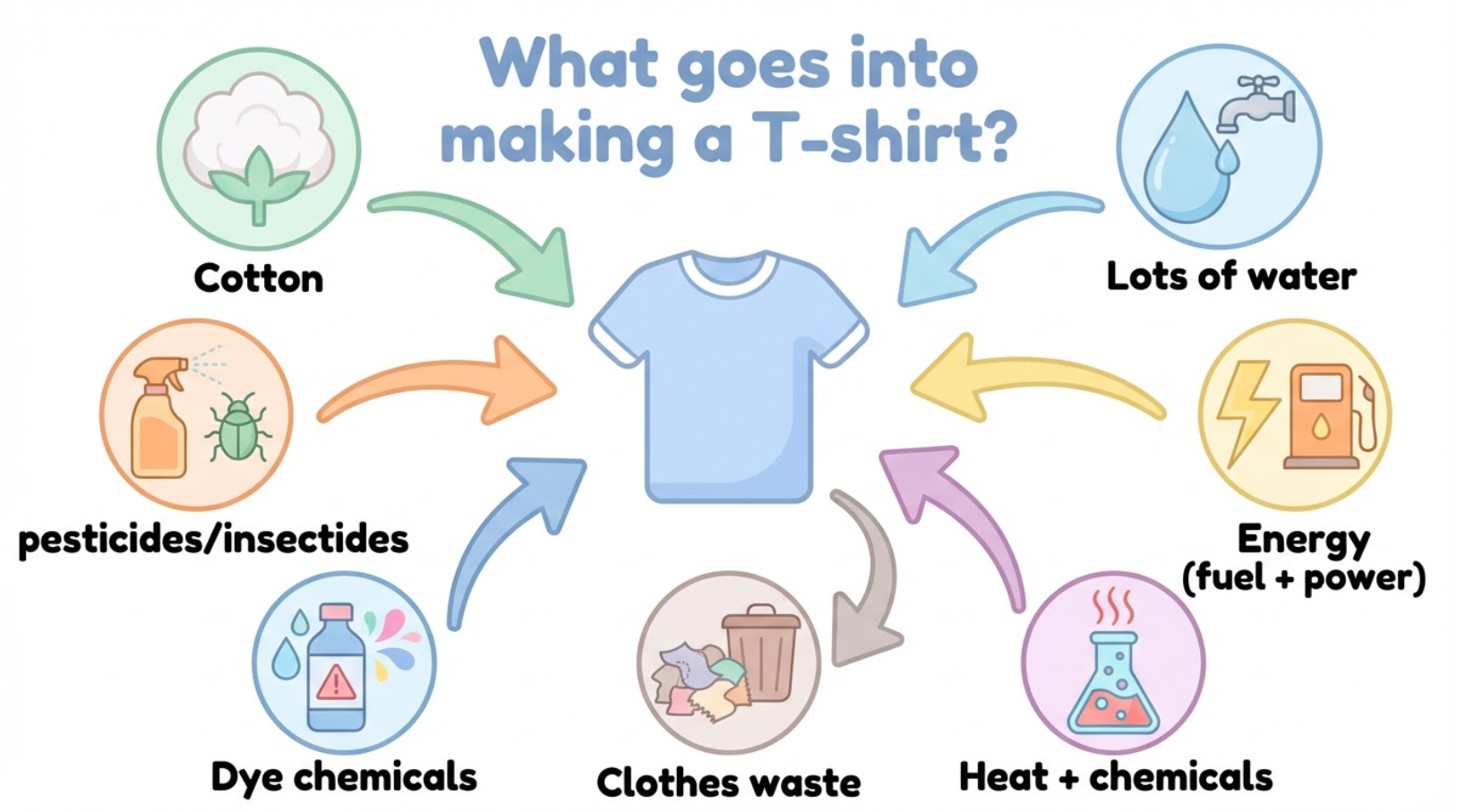
Cotton is one of the largest components of clothing. For several decades, cotton produced in the area has supplied clothing items that people all over the world wear daily, such as shirts, pants, and bed linens.
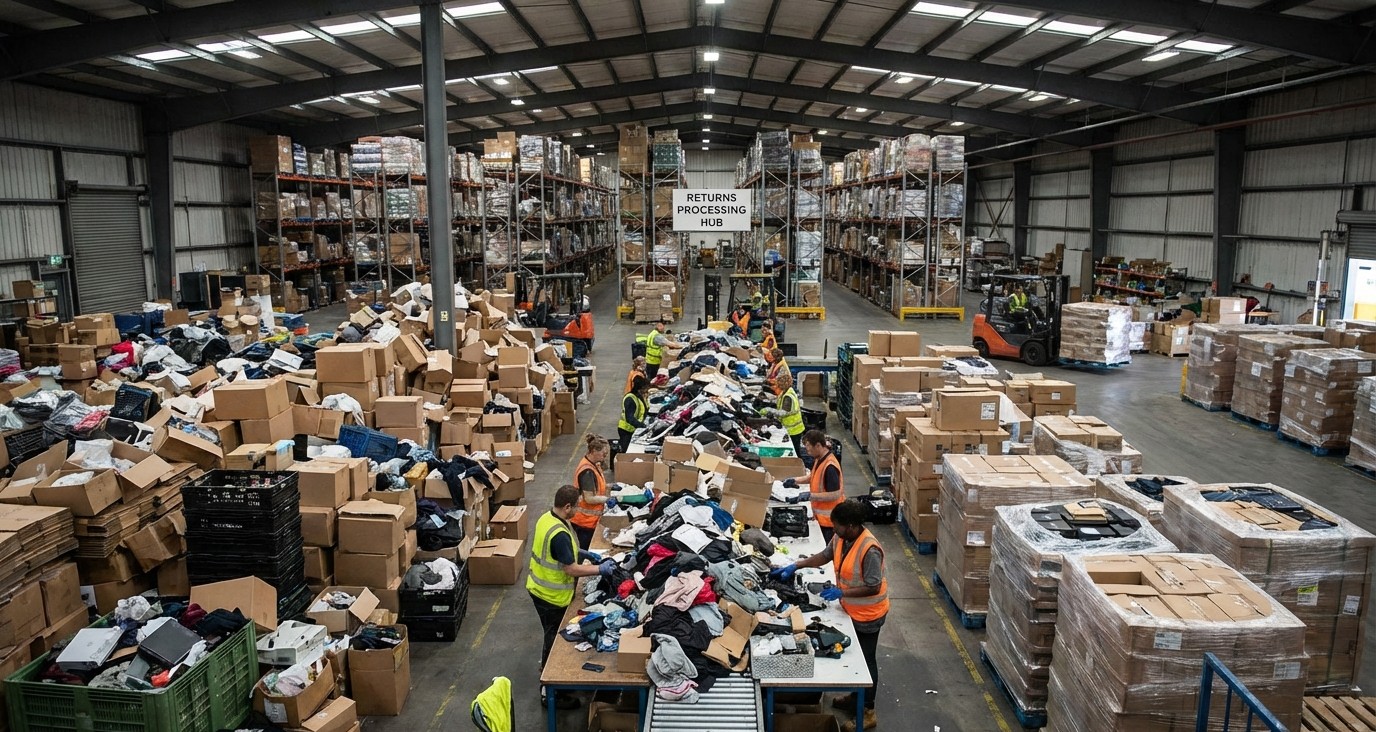
When fast fashion became the norm, clothing started to be much cheaper, and manufacturers produced clothing at a much higher annual frequency.
This caused an overall demand for cotton to grow dramatically.
Even after the fall of the Soviet Union, countries like Uzbekistan continued to produce cotton as their economies relied upon it.
What’s Left Now
The collapse of the Aral Sea is one of the world’s worst environmental disasters and has attracted considerable international attention from the UN, which labelled it as one of the ecological disasters of the time.
While there is some evidence of recovery from the Aral Sea, with construction of a dam system in Kazakhstan causing water levels to begin rising and fish returning to parts of the north, the southern areas continue to shrink.
Southern Kazakhstan faces severe hardships each day – unemployment, poor health, and rapid loss of forests have occurred in just ten years.
What does this mean for you?
Clothes were never the real reason behind the vanishing of the Aral Sea.
Bad choices led to its decline, while an inefficient resource-draining system played a role. Long-term consequences were ignored – short wins mattered more than lasting results. Systems that wasted resources sealed their fate.
Upon closer inspection, this recurring motif remains visible within contemporary clothing trends. Bigger output every year. More stuff is pulled from shelves each day. Yet the true price stays hidden most times.
The Aral Sea won’t return, no matter what is done. Its fate remains sealed by past choices and irreversible change.
Yet awareness remains possible.