
Here’s a question worth thinking about – could it be possible to operate a store without purchasing stock, leasing storage space, because handling shipments yourself isn’t required?
Two decades back, I’d have thought this whole concept ridiculous. Yet right now, it’s the exact method fueling countless Indian business owners toward real profits. What makes it work? Dropshipping does the heavy lifting.
What Is Dropshipping?
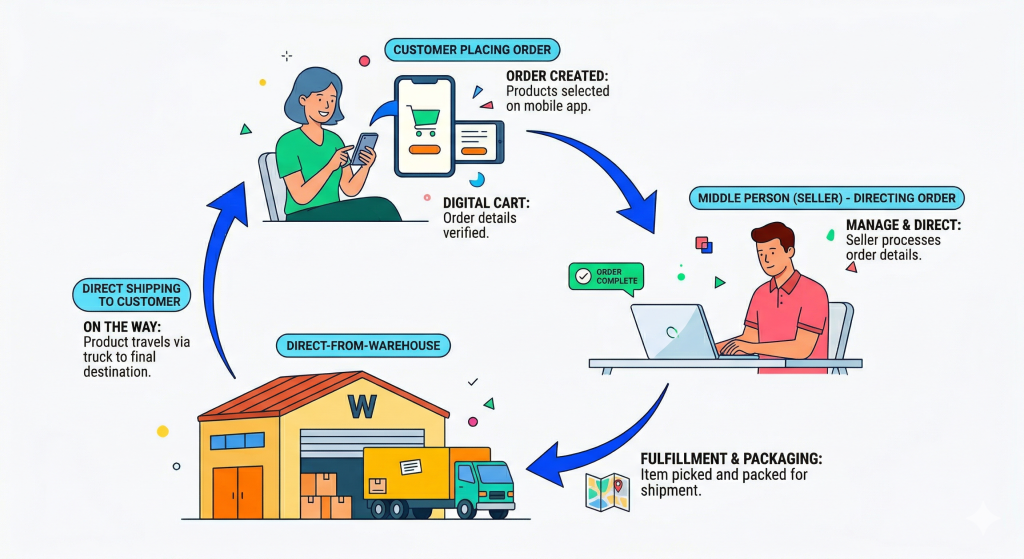
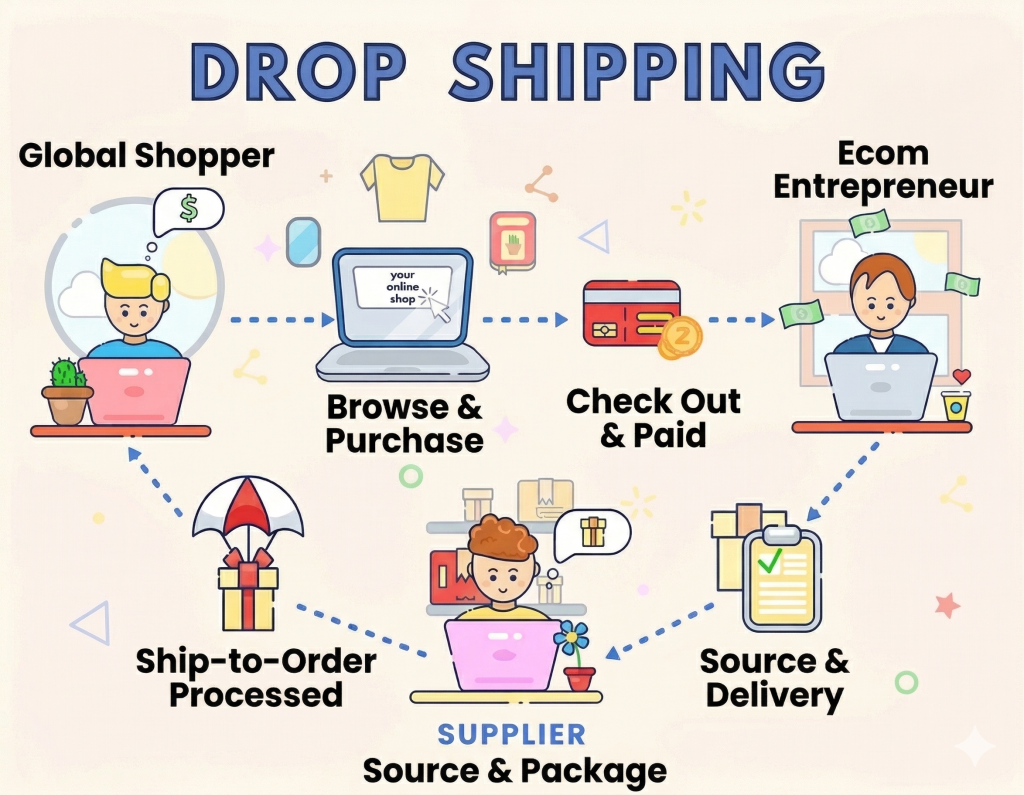
In a typical dropshipping arrangement, retailers will take customer orders for products and sell them, but will not keep the products in stock themselves. Once a buyer places an order, it heads straight to a third-party source. That outside provider handles packing and delivery themselves. Your role stops after passing along the details.
The process:
The customer buys from your store for ₹800
Supplier ships directly to the customer
That leaves you with ₹300 in your pocket.
Far from handling goods yourself, you link buyers straight to sellers. Matching one side to the other without ever holding inventory.
Why Choose Dropshipping? The Market Reality
Right now, India’s dropshipping scene stretches wide. Some tallies land near ₹54,000 crore, others climb as high as ₹1.7 lakh crore – figures shift based on how you count them. Growth each year is 12.53%. Current projections are that by 2033, total sales could be ₹ 160 crores
What factors are driving this increase?
The total number of internet users in India has now surpassed 900 million people! The IBEF’s latest report data released in 2024 confirms that more than expected growth occurred only just a few short years ago.
And growing numbers of Tier 2 and Tier 3 cities are now going online and are using social ecommerce platforms like WhatsApp and Instagram to communicate with one another.
Who Benefits Most?
Dropshipping is perfect for:
- First-time entrepreneurs with limited capital (start with ₹5,000-₹10,000)
- Women in smaller cities running businesses from their phones
- Side hustlers testing business ideas while keeping day jobs
- Marketing-skilled individuals without manufacturing knowledge
- Young professionals who can dedicate 2-3 hours daily
Dropshipping: The Pros and Cons
| Pros | Cons |
| Low startup cost (₹5,000-₹10,000) | Thin profit margins (10-30%) |
| No inventory risk | Supplier dependency issues |
| Location freedom | High competition |
| Easy to scale | Limited quality control |
| Test products quickly | Delivery delays |
| No warehouse needed | COD cash flow problems |
| Flexible working hours | Customer service burden |
| Wide product range | Branding challenges |
Meesho: The Rise of a Retail Powerhouse
With 187 million users, Meesho leads India’s dropshipping market – fueled by more than 400,000 sellers who helped reach 1.3 billion orders across just nine months
What Meesho Offers:
✓ Ready-made product catalogue
✓ Zero platform commission
✓ Logistics handled (Valmo manages 65%+ deliveries)
✓ No inventory investment
✓ Payment collection support
Meesho Missing Features
Profits aren’t promised – you’re responsible for finding buyers
✗ Exclusive products (same items for all sellers)
✗ Brand building (you’re reselling, not branding)
✗ High margins (competitive pricing = thin profits)
✗ Quality control before shipping
People who sell through Meesho make anywhere from ₹1,00,000 to ₹2,00,000 every month. Many of those who sell through Meesho earn between ₹5,000 to ₹10,000 every month; however, the difference is in the way you promote and niche down your product. For example, a few of the top sellers on Meesho not only share their online catalogue but also create very specific posts and build a community on WhatsApp to cultivate and nurture potential buyers. The majority of top sellers sell only 2 or 3 product types and stick to those, rather than trying to sell everything, which, in turn, helps them build long-term relationships with their tribes and customers.
The Indian dropshipping guide.
1. Choose Your Niche Carefully
Focusing on too many messed things up right away.
Starting strong with clothing styles that appeal to Indians living abroad. Moving on, items for the home that treat nature kindly are holding promise. Next up, gadgets and add-ons for mobiles grab attention among younger crowds. Lastly, things pets need are finding rising interest beyond big urban centres
2. Find Reliable Suppliers
IndiaMART and TradeIndia online. Manufacturing areas like Surat textiles, Tiruppur clothes, and Delhi wholesale zones
Check the smallest number you must buy. How fast will it arrive once ordered? Look at how well it is packed. See if they reply quickly when contacted. Find out what happens if you need to send it back
3. Choose Your Platform
Social Commerce (Easiest): WhatsApp Business + Instagram, free to start
Own Website (Better long-term): Shopify/WooCommerce, ₹500-₹2,000/month
Marketplace (Competitive): Amazon/Flipkart, built-in traffic but high fees
Here is what works. Try selling through social platforms first. See if people actually want your thing. Once that clicks, go make a real site.
Testing Strategy:
- Start with 5-10 products you believe in
- Put ₹3000 to ₹5000 into Facebook or Instagram ads
- Target specific audiences
- Track clicks vs purchases
- Stick with what works. Leave behind what drags you down
Critical Challenges To Remember
Suppliers get paid immediately, while customers often take weeks to pay after their products are ordered. Many of the transactions that take place in smaller cities occur on a cash-on-delivery basis, thus causing tight cash flow. It takes time, however, for a product to be shipped until it’s paid for.
In order to keep funds flowing smoothly, it is necessary for suppliers to have sufficient working capital for 30 days after the date of delivery (for example).
Backup options save time. Keeping two or three extra sources ready helps when the main ones fail. Top items need alternatives lined up ahead of schedule.
Begin by sharing your work on Instagram, WhatsApp, or local Facebook groups – no spending needed. When trying a paid promotion, put just 100 rupees per day into it. Watch how much you earn back, every single time. Stick close to those numbers before deciding what comes next.
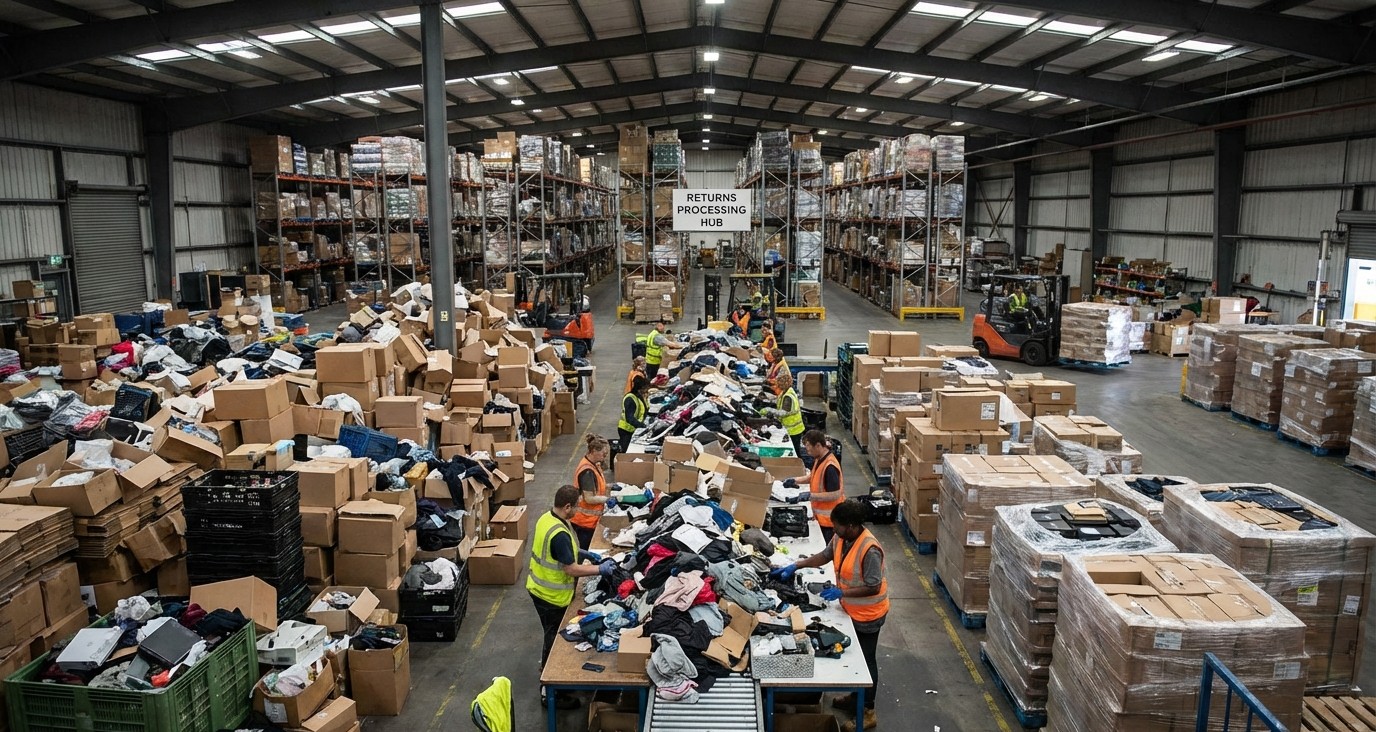
Most customers send back between 5 to 15 out of every 100 items. Build a cost of 20 to 30 rupees per item into your price list to cover these comebacks.
Started out slow.
Conclusion
Starting a dropshipping business takes work. Still, for anyone looking to begin in 2026, few paths open as fast.
Success doesn’t belong to those with the highest IQs or deepest pockets. It goes instead to individuals who persist through setbacks. Some keep moving forward when others stop. A few adjust quietly after failure. Others simply refuse to let doubt take over. Most stay focused even when progress feels invisible
Start before they feel ready
Regular effort adds up quietly. Progress hides in routine choices.
Daily presence builds what long bursts cannot
Focus on customers, not products
Failures teach fast when you pay attention right away
Treat it like a business, not a hobby
Key Takeaway: Dropshipping is a good opportunity, but to ensure sustainable income, the centre should focus on niche, branding, and marketing skills other than product listing.
REMARKABLE IDEAS !!!!
Very Informative 💡
“Drop shipping is a great way to start an online business with low investment and minimal risk, especially for beginners.”
👍 Awesome Idea 👍