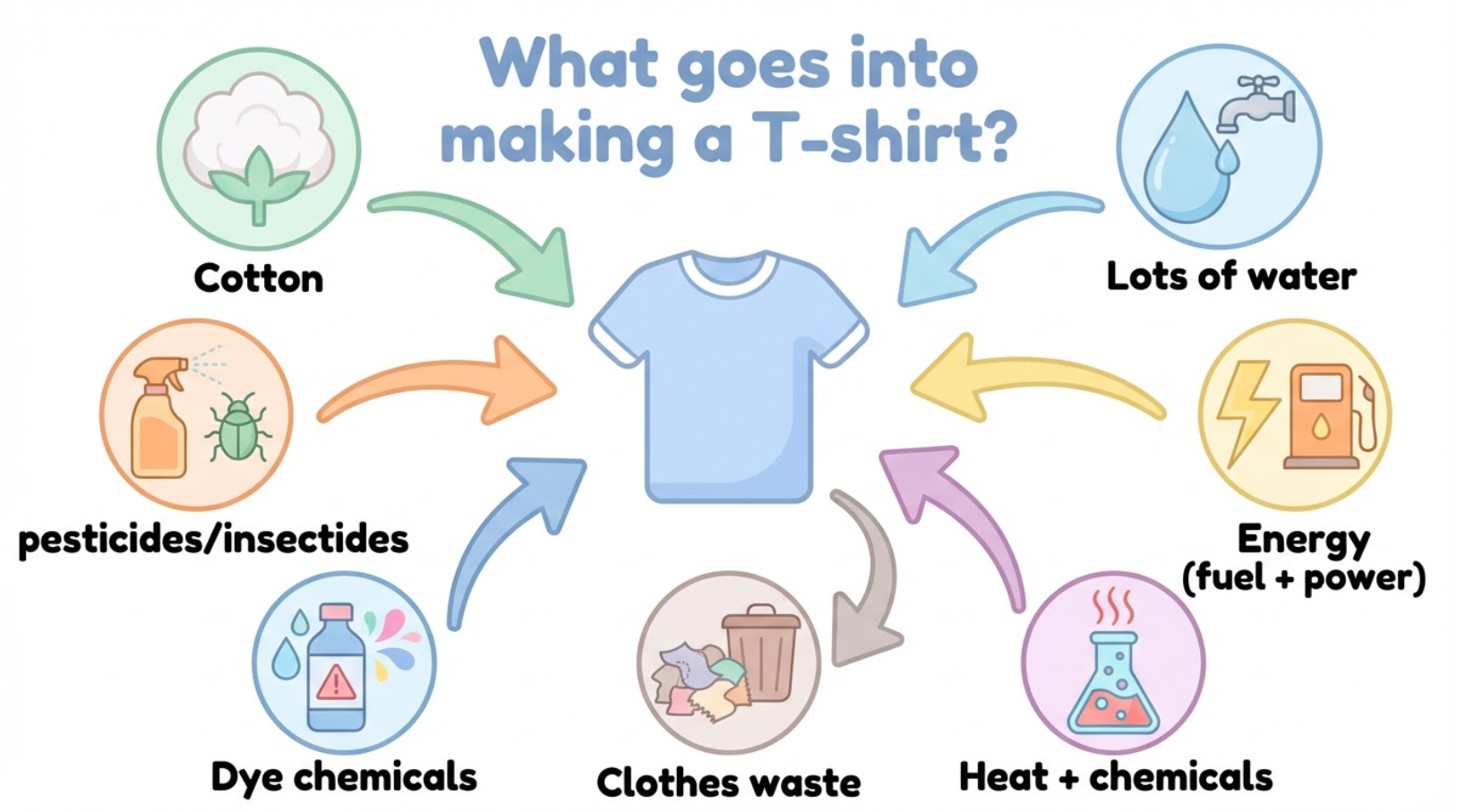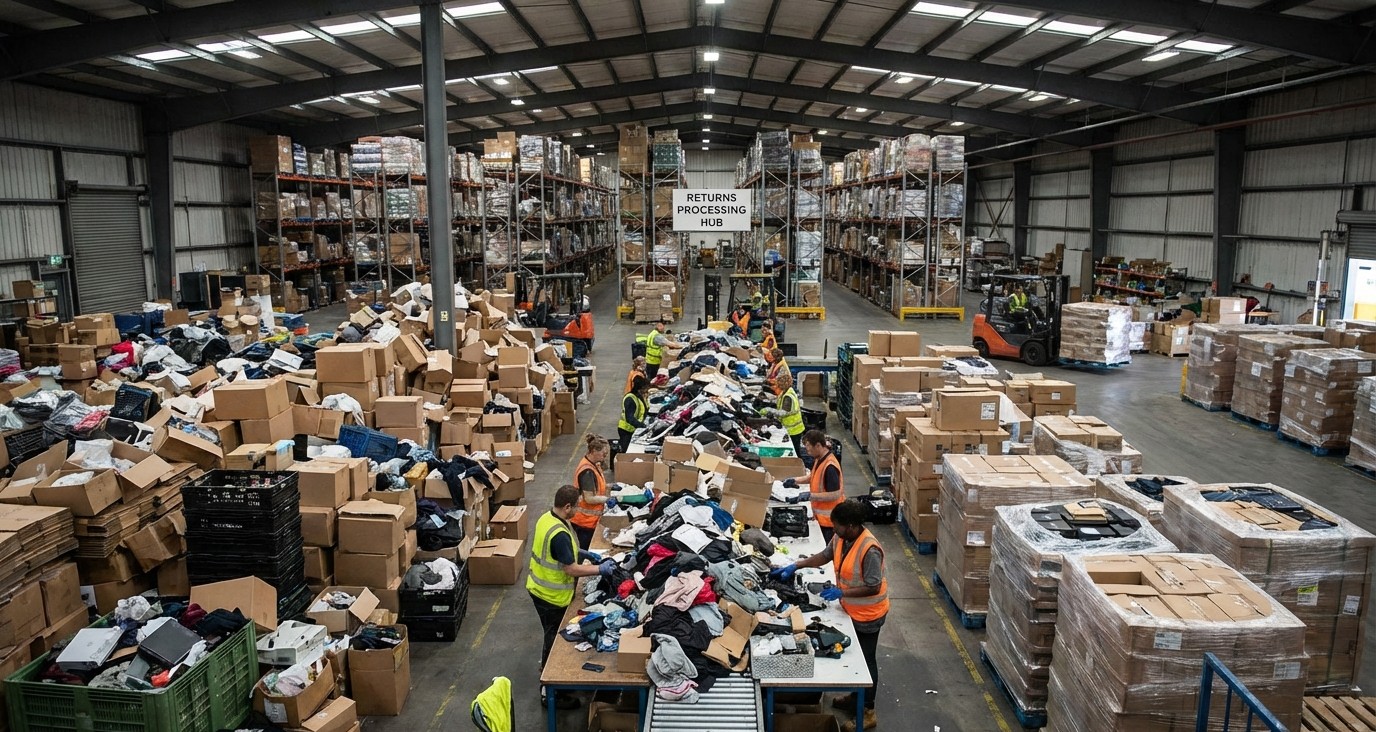
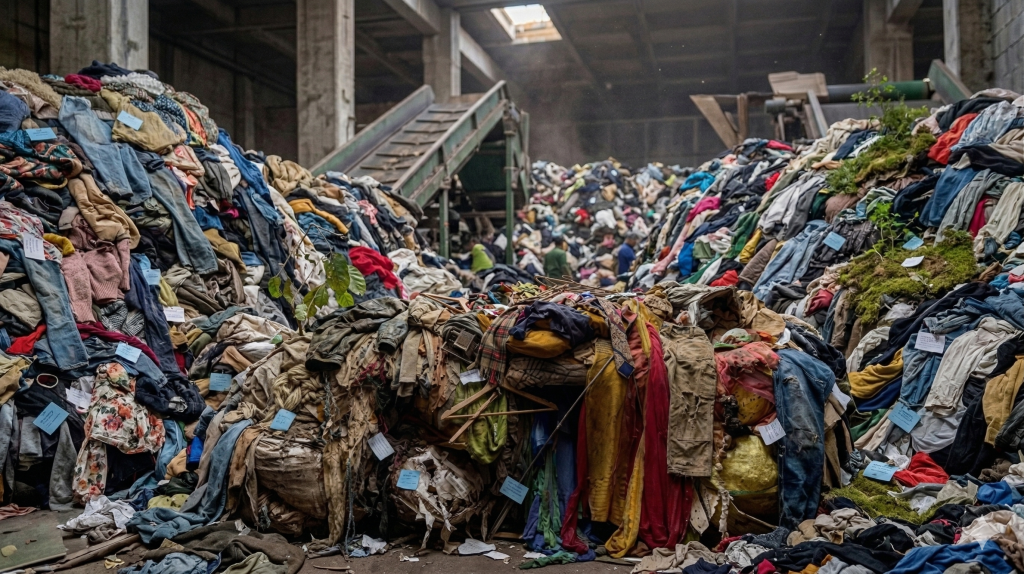
Open your closet. Look inside. There it is – that shirt’s label reads 65 percent cotton, mixed with polyester. Not one material alone, but two stitched together. That’s the problem.
The Blended Fiber Issue
Most fabric trash in India – about six out of ten pieces – is made of cotton or mostly cotton. Seems like it could be reused, doesn’t it?
Wrong.
Not every piece labeled cotton is fully cotton. Often mixed with polyester, or a touch of elastane, sometimes nylon. These mixtures – like cotton paired with polyester – don’t split apart cleanly when handling polymers.
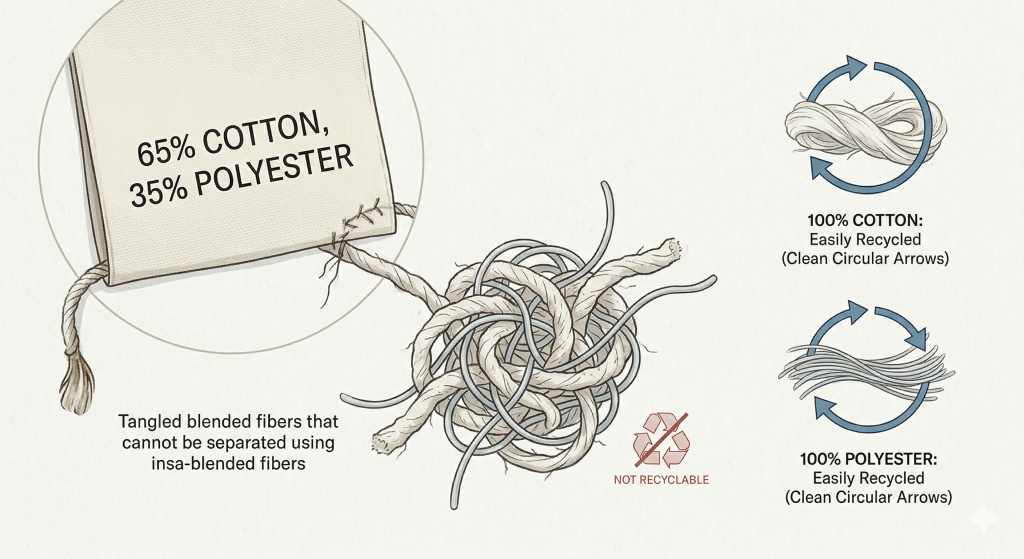
Cotton, when pure, goes through machines to become reusable. Break it down by tearing apart the fibers. Turning those into fresh thread happens next.
Start by gathering pure polyester – it breaks down when heated. Once melted, reshape the material into new threads. This process repeats without losing quality.
Yet mixing them changes things. Fibers get tangled up during weaving. Pulling them apart mechanically fails every time.
One way to recycle uses chemicals. This method breaks down a single type of fiber but skips the rest. Cost is high. It takes a lot of power. In India, it isn’t running at full size yet.
Few ways exist to recycle materials across India, relying mostly on physical methods. Thick clothing made from one fiber type can go through these systems just fine. Yet when it comes to lightweight mixes – sarees or everyday wear found in quick-turnaround brands – the process falls apart. Most trendy clothes never get a second life because of this gap.
What happens then? Mixed textiles get turned into padding for furniture or insulation. Sometimes they just end up discarded.
Brands Choose Blends
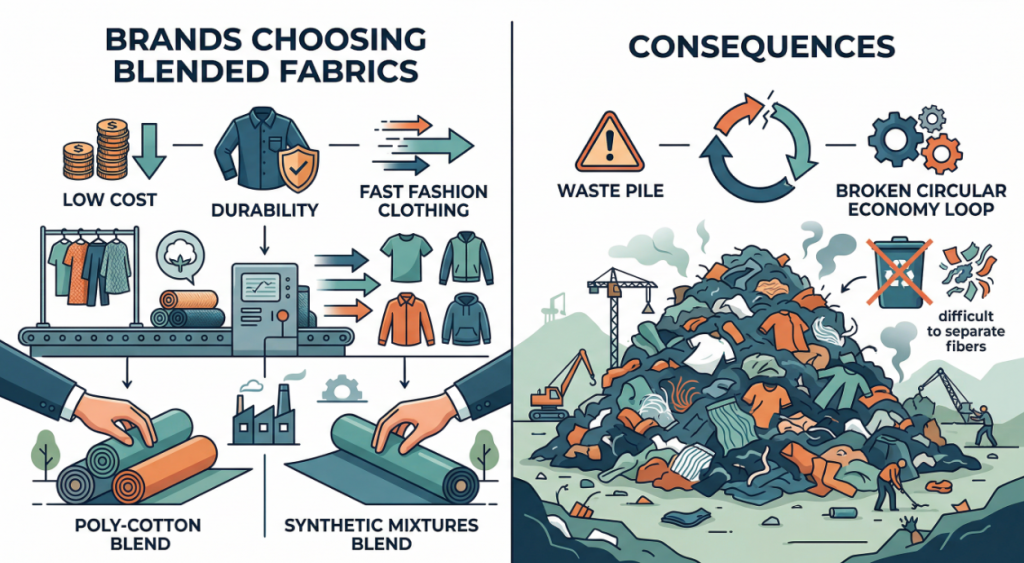
Polyester sits lower on price tags compared to cotton. It takes fewer resources to make, which shows in its cost.
A tougher build stands out. Wrinkles show up fast in plain cotton, and even shrink when washed. Mix in polyester – keeps its form much longer.
Fashion moves quick these days. The moment you buy that ₹500 shirt, it’s already on borrowed time – eight wears max before it fades out.
One out of every five fabric leftovers in India is fake material. This pile keeps getting bigger, faster than before.
Mixes happen by design, not chance. Brands find it cheaper to produce because they cut costs while boosting output. Recycling these materials often fails since separation proves too complex.
The Elastane Nightmare
Those jeans include a touch of spandex – about two percent – to help them move with you. Stretch comes from that small synthetic blend woven into the fabric.
Still, even a little elastane jams machines. It resists shredding every time. Mechanical sorting fails here, too. Separation just does not work.
A stretchy material eases movement in jeans. Yet that same quality traps them in landfills.
Blended Waste After Mixing
92 million tonnes of textile waste globally each year.
In India:
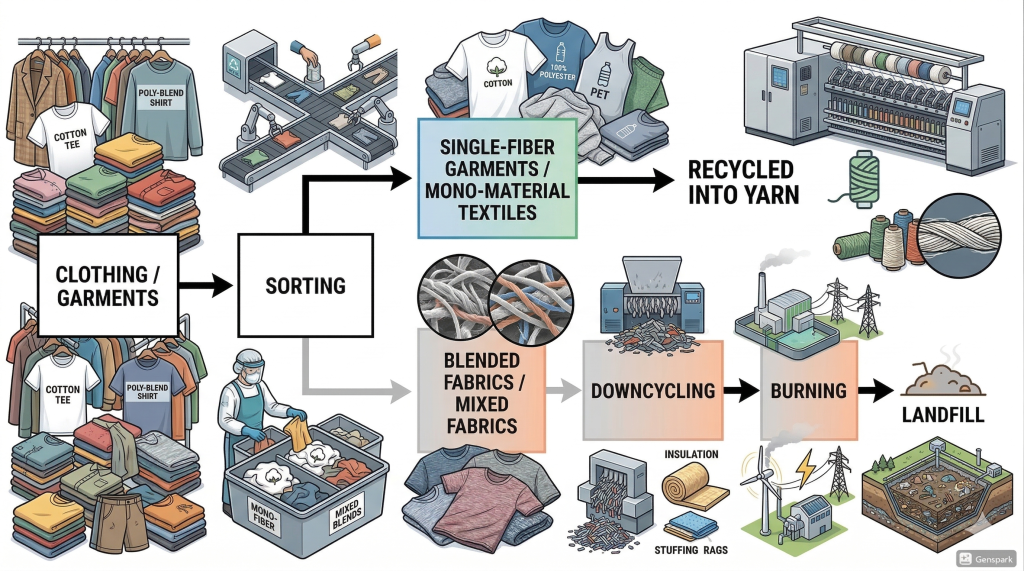
- Clean single-fiber scraps: recycled into yarn
- Blended garments: downcycled into lower-value products
- Complex blends with prints/dyes: 20-30% burned in energy plants
- Rest: landfill
Starting with one kind of fiber is simpler. Blended textiles get turned into mixtures when reused. Once they wear out? Recycling fails again.
Still going, that loop. Never quite finishes itself.
Panipat Can’t Fix This
Panipat, Haryana = Asia’s largest textile recycling hub.
Still, Panipat has trouble sorting mixed materials. When machines can tear it apart, they manage fine. Otherwise, the rest either becomes lower-grade stuff or just gets tossed aside.
The Answer Everyone Avoids
From one fiber type, garments take shape. Built to return easily into reuse loops later.
Most companies stay away. Cost less, work better – that’s why mixes win out. Not every business follows through.
Finding ways to break down plastic using chemicals might be possible. Still, this method remains new, operating only on a small level so far.
Sorting gets smarter thanks to artificial intelligence. Not just that – cameras using many light waves detect fabric types accurately. Yet getting fibers apart cleanly? Big systems still struggle. Efficiency lags when dealing with mixed materials.
Here we are again. Millions of clothes pile up – no way to recycle them. The idea of a circular system? Just pretending. Stuck in the same loop.
We don’t.
The blended fiber problem isn’t technical. It’s economic. And nobody’s fixing it.