
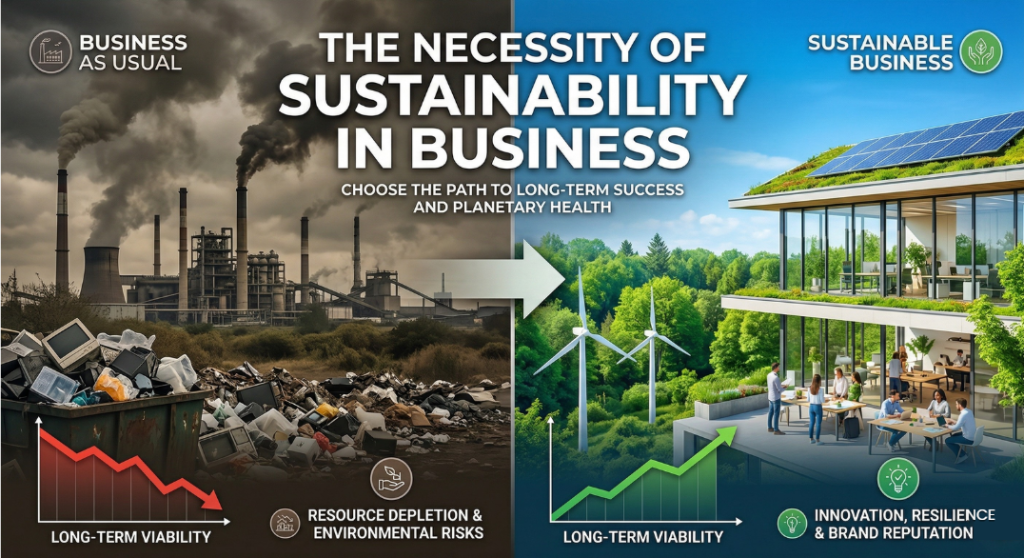
Could profit be stronger when sustainability matters? Evidence suggests so. Firms dismissing environmental care may struggle with profit, expansion, and the stability of staff. A clear pattern emerges: long-term thinking supports financial results. Success tends to follow those aligning operations with planetary limits.
What does “sustainable business” actually mean?
A business shapes its surroundings and communities through its actions, then decides how to respond. Profit needs to arise alongside responsibility, not before or after. According to Rebecca Henderson of Harvard Business School, doing well financially and doing good in the world are not opposites. They are deeply intertwined.
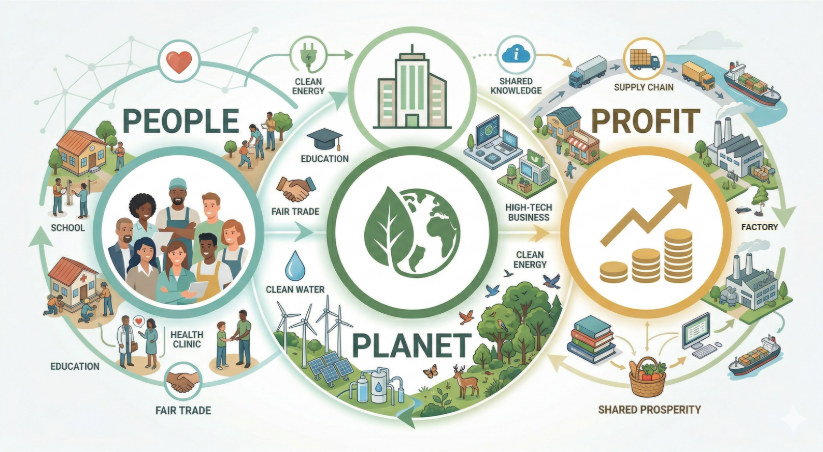
A significant number of established organizations now assess performance using a framework known as the triple bottom line, measuring success not just on profit, but across three pillars:
• People – fair wages, safe workplaces, and equal opportunity
• Planet – managing emissions, natural resources, and long-term environmental impact
• Profit – building long-term, durable growth, not just chasing short-term gain
This method shifts focus toward broader outcomes. It is the standard lens through which investors, regulators, and customers now evaluate businesses.
Does it actually improve performance?
Yes, evidence supports this claim. Research by McKinsey & Company shows firms rated highly on ESG factors perform better than average over time. Initial costs often come with sustainability initiatives. Yet returns follow, sometimes substantial. Over months or years, results tend to reflect clear advantages.
The Long-Term Benefits
Long-term effects reveal what matters most about sustainability. Far from being an add-on, it now shapes how organizations build lasting strategies.
Despite rising climate threats such as flooding and severe storms, firms embedding environmental responsibility into planning tend to foresee disruptions earlier.
Retaining staff becomes easier under such conditions, mainly because stability grows when long-term thinking shapes daily choices.
Reputation often improves without effort when actions align consistently over time.
Resilience emerges quietly through repeated attention to sustainable methods rather than bold declarations.
Research indicates operational earnings may shift by as much as 60% when sustainability is factored in. Far from slight, such an impact reshapes outcomes entirely.
A Real World Success Story
Let’s look at Interface, a global carpet manufacturer that completely transformed its business around sustainability.
In 1994, Ray Anderson introduced a target known as Mission Zero: achieving no harmful environmental effect by 2020. Far beyond mere messaging, it became the core shift in daily operations. Yet this transformation reached deeper than public statements ever could.
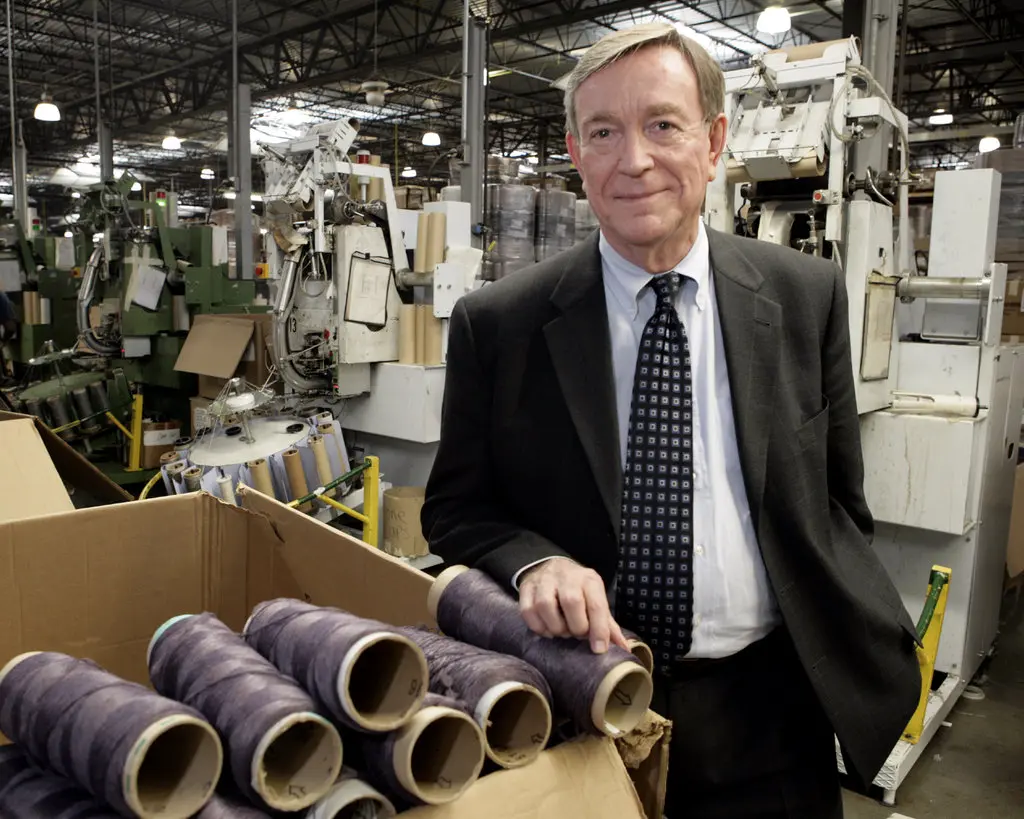
Starting with material choices, Interface shifted toward incorporating as much as 60% recycled content across its product line. Fossil fuel dependence dropped sharply, by 40 percent, due to updated manufacturing methods. Through initiatives such as “Net-Works,” ocean-collected fishing nets became raw inputs for modular flooring units. Sustainability shaped each decision, altering supply chains, design processes, and even waste handling. Business operations, once conventional, began reflecting ecological priorities at every turn.
What followed was a savings of more than 450 million dollars, driven by streamlined operations, yet still aligned with ecological targets. Far from clashing, strong green initiatives paired closely with financial success at Interface.
The Path Forward
A future that lasts comes without cost to income. Rather than holding growth back, purpose guides how strength grows over time.
Tomorrow’s successful companies are already acting on sustainability. For any organization, small or large, it must shape decisions now, because staying ahead means embedding responsibility deeply. Those who adapt today gain resilience by default.
Can your business survive without sustainability? That is the real concern. Not if it has the means to act responsibly.
Source – https://online.hbs.edu/blog/post/business-sustainability-strategies

This really makes you pause and rethink what “success” in business actually means. It’s no longer just about short-term profit, but about building something that can last without causing harm along the way. The idea that responsibility and growth can move together feels less like an ideal and more like a necessity now.
Great BLOG!!!!